MM74HC373N Adjustable Inductors highlighting the core functional technology articles and application development cases of Adjustable Inductors that are effective.

author Time 2025-05-10 11:50:03 3

Core Functional Technology of Adjustable Inductors

1. Variable Inductance: Adjustable inductors can change their inductance values, which can be achieved through mechanical adjustments (like a movable core) or electronically (using components like varactors or digitally controlled inductors). This flexibility allows designers to fine-tune circuit performance.
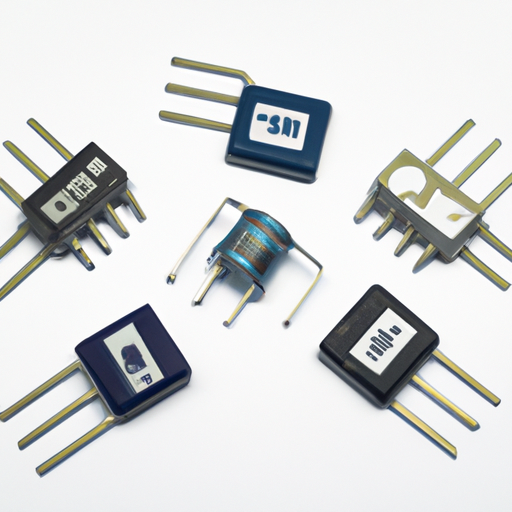
MM74HC373N Adjustable Inductors highlighting the core functional technology articles and application development cases of Adjustable Inductors that are effective.

2. Tuning Capability: These inductors are crucial in tuning circuits, enabling precise adjustments to match resonant frequencies in RF applications. This is particularly important in applications where frequency stability and selectivity are required.

3. Integration with Other Components: Adjustable inductors can be combined with capacitors and resistors to create LC circuits, which are foundational in filters, oscillators, and amplifiers. This integration allows for the design of complex circuits that can be tailored to specific needs.

4. Control Mechanisms: Some adjustable inductors utilize electronic control mechanisms, such as digital potentiometers or microcontrollers, to allow for dynamic adjustments of inductance values. This capability is particularly useful in automated systems where real-time adjustments are necessary.

5. Applications in RF and Communication: Adjustable inductors are extensively used in RF applications for tuning antennas, filters, and oscillators, enhancing signal quality and enabling precise frequency selection.

Application Development Cases

1. RF Tuners: Adjustable inductors are integral to RF tuners in radios and televisions. By modifying the inductance, the tuner can select different frequencies, allowing users to switch between channels seamlessly. This application highlights the importance of adjustable inductors in consumer electronics.

2. Variable Bandpass Filters: In communication systems, adjustable inductors are employed in bandpass filters to allow specific frequency ranges to pass while attenuating others. This capability is essential for minimizing interference and enhancing signal clarity, making it a critical component in modern communication devices.

3. Inductive Load Control: In power electronics, adjustable inductors can control inductive loads, such as motors and transformers. By varying the inductance, engineers can optimize performance and efficiency, which is vital in applications like electric vehicles and industrial automation.

4. Oscillator Circuits: Adjustable inductors are used in oscillator circuits to set the frequency of oscillation. By changing the inductance, designers can create oscillators that operate over a range of frequencies, which is beneficial in applications like signal generation, clock circuits, and frequency modulation.

5. Smart Antennas: In contemporary communication systems, adjustable inductors are utilized in smart antennas to dynamically adjust impedance, improving signal reception and transmission. This adaptability is crucial for maintaining performance in varying environmental conditions, such as urban areas with high interference.

6. Educational Kits: Adjustable inductors are often included in educational electronics kits to teach students about inductance, resonance, and circuit design. These kits provide hands-on experimentation opportunities, allowing learners to observe the effects of variable inductance on circuit behavior and performance.

Conclusion

Adjustable inductors are essential components in various electronic applications, particularly in RF and communication systems. Their ability to dynamically modify inductance values makes them invaluable for tuning, filtering, and signal processing. As technology continues to evolve, the integration of adjustable inductors with digital control systems is expected to lead to even more innovative applications, enhancing the functionality and performance of electronic devices across multiple industries.

Article
Lastest
S6008L Modems - ICs and Modules highlighting the core functional technology articles and application development cases of Modems - ICs and Modules that are effective.
S6008L Modems - Core Functional Technologies and Application Development CasesThe S6008L modem is a powerful communication module tailored for IoT (Internet of Things) and M2M (Machine to Machine) applications. Below, we delve into its core functional technologies, practical application development cases, and relevant resources that can aid developers in leveraging this versatile module. Core Functional Technologies1. Cellular Connectivity2. Low Power Consumption3. Integrated GNSS4. Data Security5. Flexible Interfaces1. Smart Agriculture2. Asset Tracking3. Smart Metering4. Healthcare Monitoring5. Industrial Automation1. Technical Datasheets2. Application Notes3. Development Kits4. Community Forums and Blogs5. Webinars and Tutorials Application Development Cases Articles and Resources ConclusionThe S6008L modem and similar ICs and modules are pivotal in facilitating connectivity across a wide array of applications. By harnessing their core technologies, developers can create innovative solutions that enhance efficiency, security, and user experience in various industries. As the IoT landscape continues to evolve, the significance of reliable and efficient communication modules like the S6008L will only grow, driving further advancements in technology and application development.
application development in Microcontrollers, Microprocessor, FPGA Modules for CFR-12JB-52-110R: key technologies and success stories
Application Development in Microcontrollers, Microprocessors, and FPGA ModulesDeveloping applications for microcontrollers, microprocessors, and FPGA modules is a multifaceted endeavor that combines hardware and software engineering to create efficient, reliable, and scalable embedded systems. Below, we delve into key technologies and notable success stories that illustrate the impact of these components in various industries. Key Technologies1. Microcontrollers (MCUs)2. Microprocessors3. FPGA Modules4. Communication Protocols5. Power Management1. Smart Home Devices2. Wearable Technology3. Industrial Automation4. Automotive Applications5. Medical Devices Success Stories ConclusionThe landscape of application development in microcontrollers, microprocessors, and FPGA modules is continually evolving, driven by technological advancements and the increasing demand for smart, connected devices. The success stories across various industries underscore the versatility and capability of these systems in addressing complex challenges. As we move forward, the integration of artificial intelligence, machine learning, and advanced communication protocols will further enhance the capabilities of embedded systems, paving the way for innovative solutions in diverse applications. The CFR-12JB-52-110R, while a specific component, represents the foundational elements that support these broader technological advancements in embedded systems.
S6008L Parity Generators and Checkers highlighting the core functional technology articles and application development cases of Parity Generators and Checkers that are effective.
S6008L Parity Generators and Checkers: Core Functional Technology and Application Development Overview of Parity Generators and CheckersParity Generators and Checkers are critical components in digital systems designed for error detection and correction. By adding an extra bit, known as the parity bit, to a binary message, these systems ensure that the total number of 1s in the data is either even (even parity) or odd (odd parity). This straightforward yet effective method is instrumental in identifying single-bit errors during data transmission or storage. Core Functional Technology1. Parity Generation2. Parity Checking3. Implementation1. Data Transmission2. Memory Systems3. Storage Devices4. Embedded Systems5. Networking1. Design Considerations2. Testing and Validation3. Integration with Other Error Detection Techniques Application Development Cases Effective Implementation Strategies ConclusionParity generators and checkers are fundamental components in ensuring data integrity across a wide range of applications, from telecommunications to embedded systems. Their simplicity and effectiveness make them a popular choice for error detection. As technology continues to evolve, integrating parity checks with advanced error correction techniques will further enhance data reliability in increasingly complex systems. This ongoing development will be crucial in meeting the demands of modern digital communication and storage solutions.
application development in PLDs (Programmable Logic Device) for CFR-12JB-52-110R: key technologies and success stories
Application Development in PLDs for CFR-12JB-52-110R: Key Technologies and Success StoriesThe integration of Programmable Logic Devices (PLDs) in applications involving precision resistors, such as the CFR-12JB-52-110R, is pivotal for achieving high levels of control, monitoring, and signal processing. Below, we explore key technologies and notable success stories that highlight the impact of PLDs in these applications. Key Technologies1. FPGA (Field-Programmable Gate Array)2. CPLD (Complex Programmable Logic Device)3. ADC/DAC Integration4. Embedded Microcontrollers5. Signal Processing Algorithms6. Design Tools and Software1. Industrial Automation2. Medical Devices3. Telecommunications4. Automotive Applications5. Consumer Electronics Success Stories ConclusionThe application of PLDs in conjunction with precision resistors like the CFR-12JB-52-110R exemplifies the transformative potential of programmable logic technology across various industries. By harnessing the capabilities of FPGAs, CPLDs, and advanced signal processing techniques, developers can create innovative solutions that enhance performance, reliability, and precision. These success stories illustrate the diverse applications of PLDs, showcasing their critical role in modern technology development.
+86-755-8417 5709